Showing posts with label car maintenance. Show all posts

How to Check Your Toyota Corolla Fluids (Complete Maintenance Guide)

Check Your Toyota Corolla's Fluids!

Checking Toyota Corolla engine oil

Engine Oil Being Added

Introduction 

Checking all of your Toyota Corolla’s fluids is one of the most important steps in keeping your vehicle reliable and safe. Fluids act as the lifeblood of your car, allowing its many systems to function smoothly and efficiently. Because the Toyota Corolla is known for durability and long-term dependability, proper fluid maintenance helps preserve these qualities and prevents avoidable mechanical problems. Ignoring fluid levels, even in a well-built car like a Corolla, can lead to costly repairs and reduced performance.

Engine Oil

Engine oil is one of the most critical fluids to monitor in your Toyota Corolla. Oil lubricates the engine’s moving parts, reduces friction, and helps regulate engine temperature. If oil levels are too low or the oil is dirty, the engine can overheat or suffer internal damage. Regularly checking and changing the oil ensures that the Corolla’s engine runs efficiently, maintains good fuel economy, and lasts for many years.

Coolant

Another essential fluid to check is coolant, also known as antifreeze. Coolant prevents the engine from overheating in hot conditions and freezing in cold weather. In a Toyota Corolla, proper coolant levels protect the engine and radiator from corrosion and thermal stress. Low or contaminated coolant can cause overheating, which may result in serious engine damage or breakdowns, making routine inspections especially important.

Transmission Fluid

Transmission fluid also plays a major role in your Corolla’s performance. This fluid lubricates the transmission’s internal components and helps transfer power smoothly from the engine to the wheels. If transmission fluid is low or degraded, drivers may notice rough shifting, slipping gears, or delayed acceleration. Regularly checking transmission fluid helps ensure smooth driving and extends the life of the transmission system.

Brake Fluid

Brake fluid is vital for maintaining safe stopping power in your Toyota Corolla. This fluid transfers force from the brake pedal to the braking components at each wheel. Low or contaminated brake fluid can reduce braking efficiency and increase stopping distances, which can be dangerous. By checking brake fluid levels, drivers can help ensure responsive braking and overall driving safety.

Power Steering & Washer Fluid

Final Thoughts

Finally, power steering fluid and windshield washer fluid should not be overlooked. Power steering fluid allows for easy and controlled steering, especially during tight turns or parking. Windshield washer fluid, while simple, is essential for visibility in rain, snow, or dusty conditions. Regularly checking all of these fluids helps keep a Toyota Corolla running smoothly, safely, and reliably, proving that simple maintenance habits can make a big difference in vehicle longevity.

Every motor and transmission has a weakness. It is very important to address your motor and transmission for weaknesses before modifying them. 

Check With Your Local Laws And Regulations Before Modifying, Swiping Motors, And Transmission..👈

Important Information Before Swapping A Motor And Transmission..👈

The Importance Of Transmission Builds..👈

Unlocking NA Power!👈

How To Build A Forged Engine..👈

The Negative Input Of Speeding Accidents and High Car Insurance👈

Top Modern Toyota NA 4 Cylinder Swaps👈

Weight Reduction Mods For A Toyota Corolla👈

Mod Your Toyota Corolla ðŸ‘ˆ

High Performance i4 Toyota Corolla Engine Swaps👈

Turbocharged i4 Toyota Corolla Engine Swaps👈

Super i4 Toyota Corolla Engine Swaps👈

JZ Series Toyota Corolla Engine Swaps👈

High Performance V6 Toyota Corolla Engine Swaps👈

High Performance V8 Toyota Corolla Engine Swaps👈

High Performance Honda Toyota Corolla Engine Swaps👈

High Performance Nissan Toyota Corolla Engine Swaps👈

Green i4 Powered Build Swaps👈


Tire Rotation Importance

Why Tire Rotation Is Important!


Introduction

Maintaining a vehicle requires more than just filling the gas tank and changing the oil. One of the most overlooked yet essential aspects of car care is tire rotation. Tire rotation involves moving each tire from one position on the vehicle to another in a specific pattern, such as from front to back or side to side. Though it may seem like a minor service, it plays a vital role in keeping your car safe, efficient, and long-lasting.

Promotes Even Tire Wear

Tires do not wear out evenly on a vehicle. Front tires, for example, usually wear more quickly because they handle the steering and often carry more of the car’s weight. By rotating the tires, the areas that experience the most stress are shared across all four tires. This prevents one pair of tires from becoming bald or unsafe while the others still have plenty of tread left, ensuring balanced performance on the road.

Improves Safety

Safety is one of the biggest reasons to rotate your tires regularly. Uneven tire wear can lead to reduced traction, especially in wet, icy, or slippery conditions. If the tread depth varies too much between tires, it can cause the car to pull to one side or reduce braking effectiveness. By rotating tires, you ensure that all four tires wear down evenly, providing consistent grip and stability, which keeps you and your passengers safer.

Saves Money in the Long Run

While tire rotation might cost a small fee or a little bit of your time, it can save you money over the life of your vehicle. Even tire wear allows you to get the maximum mileage out of a set of tires before needing replacements. Without rotation, you may have to replace two tires much sooner than the others, which can become more expensive over time. Additionally, balanced tires reduce strain on suspension parts, potentially saving you from costly repairs.

Enhances Vehicle Performance

A vehicle with evenly worn tires drives more smoothly and predictably. Balanced traction across all four tires helps with cornering, acceleration, and braking. Drivers often notice less vibration and a more comfortable ride when their tires are properly rotated. In short, tire rotation contributes to better overall vehicle performance and makes driving more enjoyable.

Conclusion

In conclusion, tire rotation is a simple yet powerful way to extend the life of your tires, improve safety, save money, and enhance vehicle performance. While it might be tempting to put off this maintenance task, the long-term benefits far outweigh the small effort or cost involved. By keeping up with regular tire rotations, typically every 5,000 to 7,500 miles, drivers can protect both their investment in their tires and their safety on the road.

Every motor and transmission has a weakness. It is very important to address your motor and transmission for weaknesses before modifying them. 

Best Performance Tires For The Toyota Corolla👈

The Importance Of Car Maintenance👈

Popular Toyota Corolla Rims For 2025👈

Check With Your Local Laws And Regulations Before Modifying, Swiping Motors, And Transmission..👈


Toyota Corolla Emissions Test Guide: Smog Check Explained

Toyota Corolla emissions test smog check

What is an Emissions Test?

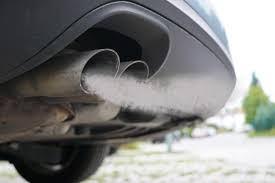
Emissions tests, also known as smog checks, measure the amount of pollutants released by a vehicle’s engine while it is running. These tests are performed using sensors that are connected to the car’s exhaust system to detect harmful gases such as carbon monoxide, hydrocarbons, and nitrogen oxides. The purpose is to determine whether a vehicle meets local or state environmental standards designed to protect air quality. If the levels are too high, the vehicle fails the test and must be repaired.

Why Are Emissions Tests Important?

Emissions tests are essential for reducing air pollution and ensuring vehicles are not contributing excessive harmful gases to the environment. They help enforce the environmental guidelines established under laws like the federal Clean Air Act. By identifying and correcting vehicles with malfunctioning emission control systems, these tests help improve public health and reduce the overall impact of transportation on the planet.

How Do Emissions Tests Affect Car Owners?

When a vehicle fails an emissions test, the owner is usually required to repair it and return for a retest before the car can be legally registered or renewed. This process encourages regular maintenance and ensures pollution control components, like catalytic converters and oxygen sensors, are functioning properly. Keeping up with these systems can also improve fuel efficiency and extend the life of the engine.

Emissions Testing and Modified Cars & Final Thoughts

Do All Vehicles Need Emissions Testing?
Not every vehicle is required to undergo emissions testing. Requirements vary depending on the vehicle’s age, fuel type, and location. For instance, some newer models or electric vehicles may be exempt. It’s important for owners to check with their local county or state authorities to understand if and when their vehicle needs to be tested.

In short, emissions tests are a vital part of responsible vehicle ownership. They help keep the air clean, ensure compliance with local laws, and promote proper vehicle maintenance. Whether you drive a sedan, SUV, truck, or minivan, understanding your area’s testing requirements is key, especially if you plan to modify your car or perform an engine swap. Always check with local authorities to stay compliant and environmentally responsible.

Will engine swaps affect emissions tests?
Yes. Engine swaps can affect emissions compliance depending on engine year, ECU, catalytic converters, and local laws. Most states require the engine to be the same year or newer than the chassis and to retain all factory emissions equipment.

Toyota Corolla Performance Guide: Engine Swaps, Power Limits & Build Options

Welcome To The Site! 👈 Introduction   The Toyota Corolla is often underestimated, but with the right engine, drivetrain, and supporting mod...