Toyota Corolla Performance Guide: Engine Swaps, Power Limits & Build Options

Welcome To The Site! 👈 Introduction   The Toyota Corolla is often underestimated, but with the right engine, drivetrain, and supporting mod...

Toyota Corolla Performance Guide: Engine Swaps, Power Limits & Build Options

Welcome To The Site! 👈

Introduction 

The Toyota Corolla is often underestimated, but with the right engine, drivetrain, and supporting modifications, it can become a serious performance platform. This guide breaks down realistic power limits, popular engine swaps, and proven build paths—from mild street builds to high-horsepower projects.

Toyota Corolla E210 drag racing build

A Drag Racing Customed E210 

The Potential Of The Toyota Corolla👈

While the Toyota Corolla is commonly known for its practicality and fuel efficiency, it has developed a surprising following among car enthusiasts who see more than just a daily driver. FACT ONE, many Toyota Corollas have earned their respect on the streets. Across car meets and online forums, a growing community of Corolla enthusiasts shares a common goal: building a powerful and reliable machine that can keep up with sportier rivals. With proper modifications, a Corolla pushing 300 horsepower and weighing between 2200 and 2900 pounds can clock high 13 to even high 12 second quarter-mile time, no small feat for a car that started life as a commuter.

Engine Swaps

To achieve such performance, the foundation of any powerful Corolla build is a healthy engine. From there, builders face several paths: turbocharging, supercharging, naturally aspirated (NA) builds, or engine swaps. Popular swap options include the 2GR-FE V6, Honda’s K24A2, Nissan’s SR20DET, or even a bold LS4 V8 conversion. Each option offers unique power characteristics and challenges, but all aim to dramatically increase horsepower while maintaining as much reliability as possible.

Reliability 
However, power alone isn’t enough to transform a Corolla into a true street performer. High-powered Corollas require comprehensive upgrades inside and out. Even a modest 50PS (roughly 49 horsepower) increase can strain stock components, making it crucial to upgrade tires, brakes, suspension, axles, and the frame. Weight reduction also becomes important, as shaving unnecessary pounds contributes significantly to both acceleration and handling. Additionally, a well-tuned transmission and ECU tune are key to harnessing the extra power efficiently.

Drivetrain 

When properly built, a Corolla with anywhere from 165 to 300PS can be adapted to various drivetrain configuration, whether front-wheel drive, rear-wheel drive, or even all-wheel drive conversions. These builds blur the line between economy cars and true performance machines. While such modifications require a significant investment of time, knowledge, and money, the result is a Corolla capable of surprising many on the street or at the track.

Final Thoughts 

In conclusion, the Toyota Corolla may seem like an unlikely platform for performance, but it has quietly earned its place in the enthusiast world. With the right upgrades and a reliable powertrain, it can transform into a fast, capable, and unique machine. Whether it's for the thrill of building or the joy of driving something unexpected, a modified Corolla is proof that performance potential can be found in the most unassuming packages.


Toyota Corolla rally car E210

A Rally Racing Customed E210 

Toyota Corolla Power Questions

Is There Power In Toyota Corollas?

  • Regular Toyota Corollas aren't exactly powerhouses.. They are economy gas savers that will get you from point A to point B with reliability..

How Much Power Can a Toyota Corolla Handle?

  • 150–190 HP → Daily reliable with bolt-ons
  • 200–250 HP → Supporting mods required
  • 300+ HP → Full project build (engine, trans, axles, ECU)

Best Engine Swaps for Toyota Corolla (By Generation)

What Are My Modern Easy Power Upgrades for 170-190hp? 

  • 1ZZ-FE MOD with TRD Supercharger 166-190PS
  • 1ZZ-FE MOD with Custom M90 Supercharger 170-190PS
  • 1ZZ-FE with Rotrex Supercharger 170-190PS
  • 1ZZ-FE Turbo Kit or Custom kit 170-190PS
  • MWR 1ZZ-FE Built NA Engine with Transmission Swap or Mods 170PS
  • 4E-FTE MOD 170PS
  • 2ZZ-GE 164-190PS
  • 2ZZ-GE MOD 190-250PS
  • 2ZR-FE With Rotrex Supercharger 190PS
  • 2ZR-FE Turbo Kit or Custom kit 180-190PS
  • 4A-GE 20v With Mods 180-210PS
  • 7A-GE 16V MOD NA 170PS
  • 7A-GE 20V MOD NA 170PS
  • M20A-FKS MOD 190PS
What Are The Best Modern Engine Swaps For Corollas With Piggyback ECU? 
  • MWR 1ZZ-FE NA/Turbo/Supercharged 160-250PS
  • MWR 2ZZ-GE NA/Turbo/Supercharged 166-250PS
  • MWR 2ZR-FE Turbo/Supercharged 180-250PS
  • 2AR-FE MOD NA/Turbo/Supercharged 250PS
  • 2AZ-FE MOD TRD Supercharged 205-240PS
  • 1NZ-FE Greddy Supercharged 145PS
  • 1NZ-FE Rotrex Supercharged 145PS
  • M20A-FKS MOD 220+PS
  • A25A-FKS MOD 220+PS
  • Built 4E-FTE MOD 170-250PS
  • Built 4A-GE MOD NA/Turbo/Supercharged 150-250PS
  • Built 4A-GE 20V MOD NA/Turbo/Supercharged 250PS
  • Built 7A-GE 16V MOD NA/Turbo/Supercharged 170-250PS
  • Built 7A-GE 20V MOD NA/Turbo/Supercharged 170-250PS
  • MORE+

What Are My Project Swaps For Big Power?

NA/Turbo/TRD/MWR/Rotrex/Eaton Supercharged Complete Builds/Standalone ECU

  • Built MWR 2ZZ-GE 300+PS
  • Built MWR 1ZZ-FE 300+PS
  • Built 3S-GE 300+PS
  • Built MWR 2ZR-FE 300+PS
  • Built 2VZ-FE 300+PS
  • Built 2GR-FE 300+PS
  • Built 1MZ-FE 300+PS
  • Built 3MZ-FE 300+PS
  • Built 2AZ-FE 300+PS
  • Built 2AR-FE 300+PS
  • Built M20A-FKS 300+PS
  • Built A25A-FKS 300+PS
  • 3S-GTE 300+PS
  • Built K20A2 350+PS
  • Built K24A2 350+PS
  • Built J35A4 350+PS
  • Built J32A2 350+PS
  • SR20DET 300+PS
  • G16E-GTS 300+PS
  • Built 1NZ-FE 300+PS
  • 2JZ-GTE 350+PS
  • 1JZ-GTE 350+PS
  • Built 1JZ-GE 300+PS
  • Built 2JZ-GE 300+PS
  • Built 2RZ-FE 300+PS
  • Built 5VZ-FE 300+PS
  • LS4 350+PS
  • LT1 350+PS
  • 3UZ-FE 350+PS
  • 1UZ-FE 300+PS
  • Built 4E-FTE 300+PS
  • Built 5E-FE 300+PS
  • Built 5S-FE 300+PS
  • Built 4A-GE 20V 300+PS
  • Built 4A-GE 16V 300+PS
  • Built 7A-GE 16V MOD NA/Turbo/Supercharged 300+PS
  • Built 7A-GE 20V MOD NA/Turbo/Supercharged 300+PS
  • MORE+

FAQ Questions

Why Keep Power At 150-190HP?

  • More power, equals more mods to handle the extra power. Most Toyota Corolla engines are designed for economical purposes. 
Motor And MODS?
  • Every motor and transmission has a weakness. It is very important to address your motor and transmission for weaknesses before modifying them.

If you’re planning a Corolla build and want to understand engine swaps, transmissions, legality, and reliability before spending money, explore the detailed guides linked throughout this page.

Check With Your Local Laws And Regulations Before Modifying, Swiping Motors, And Transmission..👈

I Have Questions About My Corolla?
  • Create a question post and submit it to 8thcorolla, 8thcorollablog, or Corollahatchbacksquad, on their respectful sites.. We will try very hard to get your post seen by members.
  • Join a Toyota Corolla Facebook group. You can also join other forum sites like Reddit or Toyotanation Forums.

Toyota Corolla A Legacy

Toyota Corolla A Legacy Plant!

A KE10 Model Toyota Corolla Coupe

The Toyota Corolla is one of the most iconic and best-selling vehicles in automotive history. Since its introduction in 1966, the Corolla has gained a reputation for being affordable, reliable, and fuel-efficient. Manufactured by the Japanese automaker Toyota, the Corolla appeals to a wide audience, from first-time drivers to families and commuters, due to its simple design, low maintenance costs, and consistent performance over decades.

An AE110 Model Toyota Corolla Sedan

One of the major reasons behind the Corolla’s global success is its reliability. Toyota has built a brand known for quality engineering, and the Corolla is a prime example. Owners often report driving their Corollas well beyond 200,000 miles with minimal issues. This dependability makes the car especially popular among drivers who prioritize longevity and low repair costs, contributing to high resale value.

Fuel efficiency is another key strength of the Toyota Corolla. Whether powered by a traditional gasoline engine or a hybrid setup, the Corolla consistently offers impressive miles per gallon (MPG). This makes it an ideal choice for daily commuting and long-distance travel. In an era where fuel prices and environmental concerns are growing, the Corolla’s efficiency offers both economic and ecological advantages.

An E120 Model Toyota Corolla Sedan

Beyond performance, the Corolla also provides modern features and comfort. Over the years, Toyota has continuously upgraded the car’s safety technology, infotainment systems, and interior design. Recent models come equipped with features like adaptive cruise control, lane-keeping assist, and touch-screen displays. These enhancements make the Corolla not only practical but also enjoyable to drive.

In conclusion, the Toyota Corolla has earned its place as one of the world’s most trusted vehicles. Its long-standing reputation for reliability, excellent fuel economy, and user-friendly features make it a smart choice for many drivers. As Toyota continues to innovate and adapt to modern automotive needs, the Corolla remains a symbol of quality and efficiency in the car industry.

History Of The KE10 Corolla👈

History Of The KE20 Corolla👈

History Of The KE30 Corolla👈

History Of The KE70 Corolla👈

History Of The AE80 Corolla👈

History Of The AE86 Corolla👈

History Of The AE90 Corolla👈

History Of The AE101 Corolla👈

History Of The AE110 Corolla👈

History Of The E120 Corolla👈

History Of The E140 Corolla👈

History Of The E210 Corolla👈

History Of The E210 Corolla👈

History Of The Chevrolet Prizm 👈

The History Of The Corolla SR5👈

The History Of The Corolla T Sport👈

The History Of The Corolla RunX Z👈


Upside App And Toyota Corolla Gas Hack Rewards

Rising fuel costs have encouraged drivers to find new ways to save money at the pump. The Toyota Corolla, known for its efficiency and reliability, is already a cost-effective choice for daily commuting. However, combining a fuel-efficient vehicle with modern savings tools like the Upside App can maximize those benefits. The Upside App helps drivers earn cash back and locate cheaper gas stations, making it an excellent companion for Corolla owners looking to stretch their fuel budget.

How Can I Do This? Download The App Upside👈


⤴️ Click To Download Upside Code:  X2S6N
Stay Updated With Your App!

How the Upside App Works

The Upside App is a mobile platform that partners with gas stations, restaurants, and grocery stores to provide cash-back offers. For gas savings, users simply check the app for participating fuel stations nearby, claim an offer, and pay with a regular debit or credit card. After uploading a receipt or completing the transaction through a linked card, cash back is credited to the user’s account. For Corolla owners who drive frequently, the accumulated savings can add up quickly over weeks and months.


Benefits for Toyota Corolla Owners

Toyota Corollas are already designed with fuel efficiency in mind, often averaging 30–40 miles per gallon depending on the model year. By pairing this efficiency with the Upside👈 App’s cash-back system, Corolla drivers reduce their overall cost per mile even further. This makes the Corolla not only affordable to buy and maintain, but also one of the most budget-friendly vehicles for fuel-conscious drivers who want to maximize savings at the pump.

Additional Gas-Saving Hacks

In addition to using the Upside App, Corolla owners can adopt simple driving habits to save even more on fuel. Maintaining steady speeds, reducing idling, and keeping tires properly inflated can improve gas mileage. Regular maintenance, such as oil changes and air filter replacements, ensures the engine runs efficiently. Using apps like GasBuddy alongside Upside👈 can also help locate the cheapest stations, stacking multiple savings strategies together.

⤴️ Click To Download Upside Code:  X2S6N

Stay Updated With Your App

Conclusion

Combining the Toyota Corolla’s natural fuel efficiency with the Upside👈 App and smart driving habits creates a powerful formula for saving money. Corolla owners already benefit from lower fuel consumption, but maximizing savings through technology and mindful driving makes the vehicle even more practical. In an era of fluctuating gas prices, these strategies allow Corolla drivers to enjoy dependable transportation while keeping fuel costs under control.

Upside App And The Toyota Corolla👈

Lets Collaborate

Collaborate with us..

Wanna Collaborate? With @8thcorolla and @corollahatchsquad?

Check us out @8thcorolla  and @corollahatchsquad

Support us by engaging with our content across all our social media platforms. You can find us on Instagram, Threads, TikTok, YouTube, and Facebook, where we share exciting posts, updates, and creative work. Your likes, comments, and shares help us grow and reach people around the world, and we truly appreciate every bit of support.

We also welcome your involvement through direct messages, send us your full pictures, stories, or reach out to collaborate with us. Whether you’re a creator, a storyteller, or simply a supporter, your contribution makes a difference. Join our community, connect with us, and help us spread our message worldwide.

Instagram: @8thcorolla  @corollahatchsquad  

Tik Tok: 8thcorollablog

THREADS: @8thcorolla 

Facebook Page: @8thcorolla

Wanna Show Off?

1. DM or Direct Message us your pictures/videos on the respective site..

2. You can send us only "ACCEPTABLE" pictures or videos.. "PLEASE NO COPYRIGHTS"..

3. Pictures/videos should be of high quality. Its recommend that some posts have a FULL view of vehicle..

4. We post all submitted request in a timely order..

5. Check out our THREADS, Tik Tok, and Twitter/X section. We post all submitted posts there too.. 

X: 8thcorollablog  

Tik Tok: 8thcorollablog

How To Collaborate? With @8thcorolla and @corollahatchsquad?

#8thcorolla #8thcorollablog #corollahatchbacksquad 

1. Use our hashtags #8thcorolla #8thcorollablog #corollahatchbacksquad 

2. TAG us #8thcorolla #8thcorollablog #corollahatchbacksquad in your pictures or videos..

3. Mention: @8thcorolla Tik Tok: 8thcorollablog, or @corollahatchsquad in your respective instagram captions or post texting section.. We'll be able to see your post and love them..

4. Use the Collaborate tab in your create a post option to collaborate with @8thcorolla or @corollahatchsquad .. Get a free like from us when you do..

5. DM or Direct Message your stories for a free love and story published on @8thcorolla, or @corollahatchsquad IG story broad..

Toyota Corolla Uber Benefits!

The Benefits of Driving for Uber in a Toyota Corolla!


 Apply For Uber Jobs With Your Toyota Corolla! ðŸ‘ˆ


An E210 Model Street Uber Car

Driving for Uber has become a popular way for people to earn income on their own schedules, and the type of car you use can significantly impact your experience and profits. The Toyota Corolla is one of the most reliable and cost-effective vehicles for rideshare drivers. Known for its fuel efficiency, dependability, and affordability, the Corolla offers a range of benefits that make it an excellent choice for Uber drivers looking to maximize their earnings while minimizing expenses.

One of the biggest advantages of using a Toyota Corolla for Uber is its outstanding fuel efficiency. With high miles per gallon, especially in newer hybrid models, Corolla drivers can spend less on gas, which is one of the largest expenses for rideshare drivers. This translates directly into higher profits, especially for drivers who work long shifts or cover a lot of ground in a day. Saving money on fuel can make a big difference over time.

Choose Your Portion!

Apply For Uber Jobs With Your Toyota Corolla! ðŸ‘ˆ ðŸ‘ˆ

Another key benefit is the Toyota Corolla’s reputation for reliability. Known for its long lifespan and low maintenance costs, the Corolla tends to have fewer mechanical issues than many other vehicles. This means less downtime for repairs and more time on the road earning money. Plus, Toyota’s relatively inexpensive parts and wide availability of service centers make repairs more manageable if they do become necessary.

Comfort is also a major factor for both drivers and passengers. The Toyota Corolla, while compact, offers a surprisingly smooth ride, a quiet cabin, and comfortable seating. These features contribute to a better experience for passengers, which can lead to higher ratings and more tips. For the driver, spending hours behind the wheel is much easier when the car is comfortable and easy to handle.

Uber App Logo 

In conclusion, driving for Uber in a Toyota Corolla offers a range of benefits that help make ridesharing both profitable and enjoyable. From excellent fuel economy and reliability to comfort and cost savings, the Corolla stands out as a practical and smart choice. For those looking to make the most of their time and investment while driving for Uber, the Toyota Corolla is hard to beat.

Apply For Uber Jobs With Your Toyota Corolla! ðŸ‘ˆ ðŸ‘ˆ


The Negative Impact of Speeding Accidents and High Car Insurance

The Negative Input of Speeding, Accidents, and High Car Insurance!

Toyota Corolla accident damage

A Damaged E140/150 Model Toyota Corolla

Speeding, accidents, and high car insurance are all serious issues that negatively affect drivers, passengers, and society as a whole. While each may seem like a separate problem, they are often closely connected. Speeding increases the risk of accidents, and both can lead to higher insurance costs. Together, they create a cycle that endangers lives and puts financial pressure on individuals and families.


speeding accident illustration

Safety First Logo

How Speeding Causes Accidents

Speeding is one of the leading causes of car accidents. When drivers go above the speed limit, they have less time to react to unexpected situations like sudden stops, sharp turns, or pedestrians crossing the road. High-speed crashes are more violent and often result in severe injuries or death. Even if the driver avoids an accident, being caught speeding can lead to fines, points on their license, and increased insurance rates.

traffic police safety illustration

Safety First Officer Logo

Financial Impact of Car Accidents

Car accidents, whether caused by speeding or not, bring physical, emotional, and financial damage. Injuries from crashes can lead to hospital stays, long-term recovery, or permanent disability. Besides physical harm, accidents also cause emotional trauma for those involved. Property damage can result in expensive repairs or the loss of a vehicle entirely. On top of that, legal consequences such as lawsuits or traffic charges may follow.

high car insurance cost illustration

Don't Do The Crime And Pay Logo

How Accidents Affect Insurance Rates

High car insurance is a financial burden that becomes even heavier after a speeding ticket or an accident. Insurance companies charge higher premiums to drivers who are seen as risky based on their driving history. Over time, this can cost thousands of dollars more than what safe drivers pay. For many people, especially young or low-income drivers, high insurance costs can make it difficult to afford to drive at all

Final Thoughts

In conclusion, speeding, accidents, and high car insurance are serious problems that should not be taken lightly. They cause physical harm, emotional stress, and financial strain. The best way to avoid these consequences is by driving safely, obeying speed limits, and staying alert on the road. Making smart choices behind the wheel protects not just yourself but everyone around you.


Toyota Corolla Emissions Test Guide: Smog Check Explained

Toyota Corolla emissions test smog check

What is an Emissions Test?

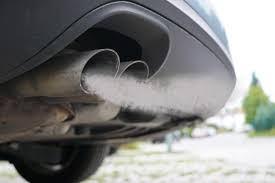
Emissions tests, also known as smog checks, measure the amount of pollutants released by a vehicle’s engine while it is running. These tests are performed using sensors that are connected to the car’s exhaust system to detect harmful gases such as carbon monoxide, hydrocarbons, and nitrogen oxides. The purpose is to determine whether a vehicle meets local or state environmental standards designed to protect air quality. If the levels are too high, the vehicle fails the test and must be repaired.

Why Are Emissions Tests Important?

Emissions tests are essential for reducing air pollution and ensuring vehicles are not contributing excessive harmful gases to the environment. They help enforce the environmental guidelines established under laws like the federal Clean Air Act. By identifying and correcting vehicles with malfunctioning emission control systems, these tests help improve public health and reduce the overall impact of transportation on the planet.

How Do Emissions Tests Affect Car Owners?

When a vehicle fails an emissions test, the owner is usually required to repair it and return for a retest before the car can be legally registered or renewed. This process encourages regular maintenance and ensures pollution control components, like catalytic converters and oxygen sensors, are functioning properly. Keeping up with these systems can also improve fuel efficiency and extend the life of the engine.

Emissions Testing and Modified Cars & Final Thoughts

Do All Vehicles Need Emissions Testing?
Not every vehicle is required to undergo emissions testing. Requirements vary depending on the vehicle’s age, fuel type, and location. For instance, some newer models or electric vehicles may be exempt. It’s important for owners to check with their local county or state authorities to understand if and when their vehicle needs to be tested.

In short, emissions tests are a vital part of responsible vehicle ownership. They help keep the air clean, ensure compliance with local laws, and promote proper vehicle maintenance. Whether you drive a sedan, SUV, truck, or minivan, understanding your area’s testing requirements is key, especially if you plan to modify your car or perform an engine swap. Always check with local authorities to stay compliant and environmentally responsible.

Will engine swaps affect emissions tests?
Yes. Engine swaps can affect emissions compliance depending on engine year, ECU, catalytic converters, and local laws. Most states require the engine to be the same year or newer than the chassis and to retain all factory emissions equipment.

Weight Reduction Mods For A Toyota Corolla

Legal Weight Reduction Mods in a Toyota Corolla!

A light weight Toyota Corolla 
2nd gen Toyota Corolla Coupe light weight 


A Strip Down E140/150 Model With Weight Reduction 
Weight Reduction Goals

Goal 1: 

Get a Toyota Corolla to weigh less than 3000lbs with only 190-200PS to play with.. The less weight the better..

Goal 2: 

In some states/counrties, you re working with 190-220PS.. Some modern engines that will get you to 190-220hp NA, 1ZZ-FE/customed build or bored NA, 2ZZGE NA, 2ZR-FE/2ZR-FAE customed build NA, 2AR-FE NA, 1NZ-FE/customed/bored NA, M20A-FKS customed build NA, 2AZ-FE TRD Supercharger or customed NA.. These are all 4A-GE level power..

Goal 3: 

Focus on legal modifications that improve acceleration, handling, and efficiency while maintaining safety and compliance. Mod your transmission for a better 0-60 ratio.. With all these mods you can become a 14 second or lower car.. 14 seconds is plenty fast.

Introduction

Weight reduction is a key strategy for improving vehicle performance, particularly in areas such as acceleration, fuel efficiency, and handling. For Toyota Corolla owners looking to enhance their car's capabilities while staying within the bounds of the law, there are several legal and practical modifications available. These modifications focus on reducing unnecessary weight without compromising the vehicle’s structural integrity or violating road safety regulations.

Interior Weight Reduction (Legal)

One of the simplest and most accessible weight reduction techniques is removing non-essential interior components. Items like rear seats, floor mats, spare tire, and trunk liners can add up to a significant weight savings. While this might reduce comfort or convenience, it's entirely legal as long as all safety equipmenrlts, like seat belts and airbags, remains functional and unaltered for seating positions in use. However, if the vehicle is used on public roads, it’s advisable to retain the driver’s seat and required safety systems to remain compliant with regulations.

Exterior Lightweight Upgrades

Upgrading to lightweight aftermarket parts is another popular method. For example, switching to lighter wheels made of aluminum alloys or forged materials can reduce unsprung weight, which improves handling and efficiency. Lightweight brake components, carbon fiber body panels (like hoods or trunk lids), and performance exhaust systems made from titanium or stainless steel are also common choices. These modifications are typically street-legal as long as they meet noise, emissions, and safety standards.

Battery and Electrical Optimization

Legal weight reduction can also involve optimizing the battery system. Replacing the standard lead-acid battery with a lighter lithium-ion battery can save a few pounds and improve overall engine bay balance. Additionally, swapping out heavy factory sound deadening materials for lighter alternatives, or removing them entirely, is legal and can lead to noticeable weight savings. However, it’s important to ensure that these changes don’t impact the car’s ability to meet local noise ordinances.

Final Thoughts

In conclusion, there are many legal ways to reduce the weight of a Toyota Corolla without compromising roadworthiness or safety. By focusing on interior removal, lightweight component swaps, and system optimizations, owners can enjoy better performance while staying within legal limits. These mods offer an excellent balance between customization and compliance, making them ideal for both daily drivers and weekend enthusiasts alike


Toyota Corolla Transmission Swaps: Best Gearboxes for Performance Builds

 
You ve Got The Box!
Drop The Best And Fitted Transmission Into Your Toyota Corolla!

A transmission swap is one of the most effective upgrades for improving acceleration, drivability, and reliability in a Toyota Corolla. Whether you’re upgrading to a stronger manual gearbox, improving gear ratios, or supporting a high-power engine swap, choosing the right transmission is critical. This guide explains popular Toyota Corolla transmission swaps, what to consider before swapping, and how the right gearbox can transform performance.

Toyota E153 manual transmission

An E153 Toyota MR2 5 Speed Manual Transmission 

What Is A Transmission? 

A vehicle's transmission, also known as a gearbox, plays a critical role in how power from the engine is delivered to the wheels. It functions through a mechanical system of gears and gear trains that adjust engine output for varying speeds and loads. Without a transmission, the power produced by the engine could not be applied to the wheels in a regulated and efficient manner. Essentially, the transmission allows a car to accelerate smoothly, maintain cruising speeds, and optimize fuel efficiency.

Building The Transmission For Power!

When building a performance vehicle, many enthusiasts focus on increasing horsepower. However, one of the most important and often overlooked components to upgrade is the transmission. A stock transmission is generally designed to handle the original power output of the engine. Once power is increased through turbocharging, engine swaps, or other modifications, the drivetrain, including the transmission, must be reinforced to ensure durability and efficiency. Without these upgrades, excessive wear or even catastrophic failure can occur.

Why Transmission Upgrades Matter

Modifying the transmission can also improve performance metrics, particularly acceleration. A better 0–60 time can often be achieved with a few targeted upgrades, such as installing an aftermarket gear set for shorter or more aggressive gearing, a shift kit to reduce shift times, or a limited-slip differential (LSD) to improve traction. For automatic transmissions, a high-stall torque converter can allow the engine to enter its power band more quickly, resulting in faster launches.

Popular Toyota Corolla Transmission Swaps

Fortunately, there are a number of aftermarket resources available for transmission upgrades. Companies like Level 10 specialize in custom transmission builds and reinforcements, ensuring your gearbox can handle increased power. Retailers such as MonkeyWrenchRacing offer performance parts specifically for Toyota vehicles, while websites like Car-parts.com can be useful for sourcing rare or budget-friendly transmission components. With the right parts and expertise, building a transmission to match your power goals is entirely achievable.

Final Thoughts

In conclusion, a well-built transmission is essential to the overall performance and longevity of a modified vehicle. While engine upgrades may bring the horsepower, it’s the transmission that delivers it to the wheels efficiently. Whether you’re chasing better 0–60 times or simply want a more reliable drivetrain, investing in your gearbox is a smart and necessary step for any serious car enthusiast. Building for power isn't just about what happens under the hood, it's about how that power gets to the pavement.

Toyota C60 six speed transmission
 
A C60 Transmission 

Enhancing Performance Through Transmission Swaps
When modifying a car for better performance, most builders focus on the engine or forced induction. However, there is always a third and often underrated option, transmission upgrades. Swapping in a suitable or stronger transmission can significantly improve acceleration, especially 0–60 times. It's critical, though, that the chosen transmission bolts up properly to the existing engine. Compatibility is critical, as mismatched transmissions can cause drivability issues, premature wear, or costly custom fabrication.
C60 Six-Speed Transmission Swap
One of the most popular swaps for Toyota enthusiasts is the C60 six-speed manual transmission from the Celica GTS, which pairs exceptionally well with the 2ZZ-GE engine. Interestingly, it's also a strong upgrade for vehicles running the more common 1ZZ-FE engine. The C60 offers shorter gear ratios and higher revving capability, making it ideal for naturally aspirated, high-revving applications. With a skilled driver behind the wheel, a car making around 180 horsepower and weighing 2600 pounds can achieve a 0–60 time of under 6.4 seconds with this setup, showcasing the impact a good transmission can have.
The C60 swap especially benefits the 1ZZ-FE platform, which tends to have a more usable low-end torque band compared to its higher-revving GE counterparts. By enhancing how the engine’s power is delivered through the gears, the C60 improves responsiveness, especially during acceleration and gear changes. This makes the driving experience more dynamic and engaging, even if the engine output itself hasn’t dramatically increased. It allows the car to operate more efficiently in its power band, maximizing every bit of available horsepower.
What makes this transmission swap particularly interesting is how it highlights the underrated strengths of the FE-headed engines. These motors often offer quicker throttle response and a more immediate feel, even if they don't match the peak horsepower of GE-headed setups. When paired with a performance-oriented gearbox like the C60, the result is a vehicle that feels sharper, quicker, and more capable without relying solely on big power numbers. For those seeking a balanced, driver-focused upgrade, a thoughtful transmission swap may be the smartest move of all.


Unlocking NA Power: Best Custom Engine Parts for Naturally Aspirated Builds

Unlocking NA Power: Custom Engine Parts
Toyota 1MZ-FE V6 engine build
A 1MZ-FE v6 Motor 
Introduction
Building a naturally aspirated (NA) engine that delivers strong, reliable power requires more than just high-octane fuel and a performance air filter. At the core of a successful NA build is a thoughtful combination of custom engine parts, precision tuning, and an understanding of how to optimize airflow, combustion, and mechanical efficiency. Unlike turbocharged or supercharged setups, NA builds rely solely on atmospheric pressure and internal engine dynamics, making every part selection critical.

Toyota 1ZZ-FE engine performance build

A 1ZZ-FE i4 Motor 
Intake and Exhaust Airflow
One of the key areas for NA power gains lies in the engine’s breathing system, particularly the intake and exhaust. Custom intake manifolds, ported cylinder heads, and larger throttle bodies allow for increased airflow into the combustion chamber. On the exhaust side, aftermarket headers, high-flow catalytic converters, and performance exhaust systems help expel gases more efficiently. These upgrades reduce restrictions, allowing the engine to “breathe” freely and respond quicker across the RPM range.

Toyota 1NZ-FE engine tuning

A 1NZ-FE i4 Motor 
Internal Engine Components
Internal engine components also play a major role. Upgrading to lightweight forged pistons, connecting rods, and a high-performance crankshaft reduces rotating mass and improves engine response. Higher-compression pistons increase cylinder pressure, delivering more power per combustion cycle. Pairing these with a performance camshaft and adjustable cam gears allows fine-tuning of valve timing for optimal torque and high-RPM horsepower. These custom components create a stronger, more aggressive NA engine without forced induction.

A 4A-FE for motor build

A 4A-FE i4 Motor 
ECU Tuning and Fuel Delivery
Another essential factor in NA builds is engine tuning. Once mechanical upgrades are in place, an aftermarket ECU or piggyback system allows precise fuel and ignition adjustments. A dyno tune ensures that the engine runs safely and efficiently, extracting the maximum horsepower from your custom parts. Tuning becomes even more vital when compression is raised or cam profiles are changed, ensuring optimal air-fuel ratios and combustion timing.

A 2ZR-FE motor for building

A 2ZR-FE i4 Motor 
Final Thoughts
In conclusion, building an NA engine with custom parts is about more than bolt-ons, it’s a strategic approach to maximizing the engine's natural capabilities. By improving airflow, upgrading internals, and applying precision tuning, you can achieve a responsive, high-revving setup that delivers satisfying power without a turbo or supercharger. Whether for track use or spirited street driving, a well-built NA motor remains one of the most rewarding and reliable platforms for performance enthusiasts.

Is naturally aspirated tuning worth it?
Naturally aspirated engine builds reward precision, reliability, and driving feel. While NA engines may not match turbo power levels, they offer linear throttle response, reduced heat stress, and long-term reliability when properly built.

Every motor and transmission has a weakness. It is very important to address your motor and transmission for weaknesses before modifying them. 

Check With Your Local Laws And Regulations Before Modifying, Swiping Motors, And Transmission..👈

Important Information Before Swapping A Motor And Transmission..👈

The Importance Of Transmission Builds..👈

How To Build A Forged Engine..👈

Mod Your Corolla👈

Toyota Corolla Green Engine Swaps: 4A, 5A, ZZ & NR Series Builds

Build An Eco Green Friendly Giant!👈

Introduction: Green & Budget Corolla Builds

Many engines found in economy or commuter cars were never designed with performance as their primary focus. These "sleeper" engines are built with reliability, fuel efficiency, and cost-effectiveness in mind, perfect for daily driving but not usually associated with high horsepower or racing. However, just because an engine isn’t labeled “performance” doesn’t mean it lacks potential. With the right vision and tuning, even the most unassuming engines can surprise the competition.

Why Green Engines Make Great Sleeper Builds

When properly built and tuned, these underrated powerplants can become true contenders on the street or track. Upgrades like forged internals, turbocharging, ECU remapping, and supporting mods can transform a bland engine into a powerhouse. For example, engines like Toyota’s 4A-FE or 5E-FE have modest origins but are capable of producing serious power when modified correctly. These builds often require more creativity and effort than dropping in a high-performance motor, but the payoff is a car that’s both unique and unexpectedly fast.

What makes these builds even more impressive is the sleeper factor. Beating performance-focused cars with a motor that started life in an economy car adds an element of surprise and satisfaction. It challenges the assumption that only factory sports engines can be fast, proving that innovation, tuning, and engineering can sometimes outshine raw factory horsepower. In the hands of a skilled builder, even the most overlooked engines can become true monsters on the road.

4A-FE Build

A 4A-FE motor

A 4A-FE

You could buy a spare 4A-FE for an awesome 4A-GZE  bottom end, blot build project. The 4A-FE can be found in a 7th gen Corolla. The 4A-FE was an oversquared 1.6(1,587cc) aluminum/iron block piston motor, from Toyota’s A power train. The 4A-FE had a DOHC layout and was designed to improve fuel efficiency. The engine was produced from 1982- 2002. The bore of this engine was 81.mm with a stroke of 77mm. The 4A-FE had an output of 115hp with up to 107 ft•lb of torque at a given rpm. The motor had a compassion ratio of 9.5:1. There were JDM versions of the 4A-FE with several updates and fitted designs. Some parts from the A Series are interchangeable with each other. Forged 4A-GZE pistons and blocks are interchangeable with this motor.


4ZZ-FE Build


A 4ZZ-FE motor

A 4ZZ-FE With vvti

Pick up a nice 4ZZ-FE for a nice project. The 4ZZ-FE can be found in the 8th/9th/10 gen Corolla. The 4ZZ-FE was a DOHC oversquared 1.4(1,398cc) all-aluminum block piston motor. The motor came from Toyota’s ZZ power train. The 4ZZ-FE was designed to improve fuel efficiency. The engine was produced from 1997- up until now. The bore of this engine was 79.mm with a stroke of 71.3mm. The 4ZZ-FE had an output of 97hp with up to 96ft•lb of torque at a given rpm. The motor had a compassion ratio of 10.5:1. There were JDM versions of the 4ZZ-FE with vvti. Some had several fitted designs. Parts from the ZZ Series are interchangeable.

3ZZ-FE Build

A 3ZZ-FE motor

A 3ZZ-FE With vvti

Let's find a 3ZZ-FE for a nice project. The 3ZZ-FE can be found in the 8th/9th/10th gen Toyota Corolla.  The 3ZZ-FE was an undersquared DOHC 1.6(1,598cc) all-aluminum block piston motor. The 3ZZ-FE came from Toyota’s ZZ power train. The 3ZZ-FE was designed to improve fuel efficiency. The engine was produced from 1997- 2007. The bore of this engine was 79.mm with a stroke of 81.5mm. The 3ZZ-FE had an output of 112hp with up to 111ft•lb of torque at a given rpm. The motor had a compassion ratio of 10.5:1. There were JDM versions of the 3ZZ-FE with vvti with several fitted designs. Parts from the ZZ Series are interchangeable with this motor.

2NZ-FE Build

A 2NZ-FE motor

 A 2NZ-FE With vvti

Let's build a 2NZ-FE. The 2NZ-FE can be found in the 9th/10th gen Toyota Corolla.  The 2NZ-FE was a DOHC oversquared 1.3(1,299cc) all-aluminum block piston motor. The motor came from Toyota’s very own NZ power train. The 2NZ-FE was designed to improve fuel efficiency. The engine was produced from 1999- up until now. The bore of this engine was 75mm with a stroke of 73.5mm. The 2NZ-FE had an output of 84hp with up to 89ft•lb of torque at a given rpm. The motor had a compassion ratio of 10.5:1. There were JDM versions of the 2NZ-FE with vvti and with several fitted designs.

5A-FE Build

A 5A-FE motor

A 5A-FE

Invest in a 5A-FE for an awesome project. The 5A-FE can be found in the 6th/7th/8th Toyota Corolla.  The 5A-FE was an undersquared 1.5(1,498cc) aluminum/iron block piston motor, from Toyota’s A power train. The 5A-FE has a DOHC layout and was designed to improve fuel efficiency. The engine was produced from 1988- 2003. The bore of this engine was 78.7mm with a stroke of 77mm. The 5A-FE had an output of 105hp with up to 94.3ft•lb of torque at a given rpm. The motor had a compassion ratio of 9.8:1. There were JDM versions of the 5A-FE and with several fitted updates and designs.

7A-FE Build

A 7A-FE motor

7A-FE

Get an awesome 7A-FE for a nice project. The 7A-FE can be found in the 9th/10th gen Toyota Corolla.  The 7A-FE was a DOHC undersquared 1.8(1,762cc) aluminum/iron block piston motor. The motor came from Toyota’s very own A power train. The 7A-FE was designed to improve fuel efficiency. The engine was produced from 1993- 2002. The bore of this engine was 81mm with a stroke of 85.5mm. The 7A-FE had an output of 120-156hp with torque between 116-175ft•lbs at a given rpm. The motor had a compassion ratio of 9.5:1. There were JDM versions of the 7A-FE with several fitted updates and designs. 4A-GE parts are interchangeable with this motor. 

4E-FE Build

A 4E-FE motor

A 4E-FE

Fix up an awesome 4E-FE for a nice project. The 4E-FE can be found in the 7th/8th gen Toyota Corolla.  The 4E-FE was a DOHC undersquared 1.8(1,762cc) aluminum/iron block piston motor. The motor came from Toyota’s very own E power train. The 4E-FE was designed to improve fuel efficiency. The engine was produced from 1989- 1998. The bore of this engine was 74.3mm with a stroke of 77.4mm. The 4E-FE had an output of 74-89hp with torque between 86-87ft•lbs at a given rpm. The motor had a compassion ratio of 9.6:1. There were JDM versions of the 4E-FE with several fitted updates and designs. 

2E-E Build

A 2E-E motor

A 2E-E

Build a 2E-E for a nice nitrous build.
The 2E-E can be found in the 5th/6th/7th/8th gen Toyota Corolla. The 2E-E was a SOHC undersquared 1.3(1,295cc) aluminum/iron block piston motor. The motor came from Toyota’s very own E power train. The 2E-E was designed to improve fuel efficiency. The engine was produced from 1985- 1998. The bore of this engine was 73mm with a stroke of 77.4mm. The 2E-E had an output of 65-88hp with torque between 72- 77ft•lbs at a given rpm. The motor had a compassion ratio of 9.5:1. There were JDM versions of the 2E-E with several fitted designs. Many parts from the 4E-FTE/5E-FHE/5E-FE are interchangeable. 

6A-FC Build
A 6S-FC motor
 

A 6A-FC

Build a up 6A-FC for a nice nitrous build. The 6A-FC can be found in some 6th Gen Toyota Corollas. The 6A-FC was a DOHC undersquared 1.4(1,397cc) aluminum/iron block piston motor. The motor came from Toyota’s very own A power train. The 6A-FC was designed to improve fuel efficiency. The engine was produced from 1988- 1992. The bore of this engine was 76mm with a stroke of 77mm. The 6A-FC had an output between 58-83hp with given torque at 86ft•lbs at a given rpm. The motor had a compassion ratio of 9.6:1. There were JDM versions of the 6A-FC with several fitted designs. 

3E-E Build

A 3E-E motor

A 3E-E

Forge up a 3E-E for a nice nitrous build. The 
3E-E can be found in the 6th gen Toyota Corolla. The 3E-E was a SOHC undersquared 1.5(1,456) aluminum/iron block piston motor. The motor came from Toyota’s very own E power train. The 3E-E was designed to improve fuel efficiency. The engine was produced from 1984- 1994. The bore of this engine was 73mm with a stroke of 87mm. The 3E-E had an output of 78-87hp with torque at 89ft•lbs at a given rpm. The motor had a compassion ratio of 9.3:1. There were JDM versions of the 3E-E with several fitted designs. Many parts from the 4E-FTE/5E-FHE/5E-FE are interchangeable. 

3ZR-FE Build

3ZR-FE motor

A 3ZR-FE With Dual vvti

Build a 3ZR-FE for more power. The 3ZR--FE can be found in the 10th gen Toyota Corolla. The 3ZR--FE was a DOHC undersquared 2.0(1,986cc) all-aluminum block piston motor. The motor came from Toyota’s very own ZR power train. The 3ZR--FE features Dual vvti and was designed to improve fuel efficiency. The engine was produced from 2007- present. The bore of this engine was 80.5mm with a stroke of 97.6mm. The 3ZR--FE had an output of 140-155hp with torque between 143.1-149.7 ft•lbs at a given rpm. The motor had a compassion ratio of 10.0:1. There were JDM versions of the 3ZR-FE with several fitted updates and design.

1NR-FE Build

A 1NZ-FE motor

1NR-FE With Dual vvti

Build a 1NR-FE for your power hungry needs. The 1NR-FE can be found in the 9th/10th/11th gen Toyota Corolla. The 1NR-FE was a DOHC undersquared 1.3(1,329cc) all-aluminum block piston motor. The motor came from Toyota’s very own NR power train. The 1NR-FE features Dual vvti as it was designed to improve fuel efficiency. The engine was produced from 2008- present day. The bore of this engine was 72.5mm with a stroke of 80.5mm. The 1NR-FE had an output of 99-101hp with torque at 97ft•lbs at a given rpm. The motor had compassion ratios of 10.5:1-11.5:1. There were JDM versions of the 1NR-FE with several fitted updates and designs.

5E-FE Build

5E-FE motor

A 5E-FE

Build up a 5E-FE for a nice force induction build. The 5E-FE can be found in the 4th/5th Gen Toyota Tercel. The 5E-FE was a DOHC undersquared 1.5(1,497cc) aluminum/iron block piston motor. The motor came from Toyota’s very own E power train. The 5E-FE was designed to improve fuel efficiency. The engine was produced from 1990- 1998. The bore of this engine was 74mm with a stroke of 87mm. The 5E-FE had an output of 93-110hp with torque anywhere between 91-100ft•lbs at a given rpm. The motor had a compassion ratio of 9.4:1. There were JDM versions of the 5E-FE with several fitted updates and designs. Many parts from the 4E-FTE/5E-FHE are interchangeable. 

Power Potential & Upgrade Paths

A cheap, budget-friendly forged engine build on Toyota A, E, ZZ, ZR, and NR series motors starts with choosing the right foundation. Engines like the 4A-FE, 5A-FE, 7A-FE, 4E-FE, 5E-FE, and even the 3ZZ-FE are excellent candidates because they’re plentiful, inexpensive, and share strong aftermarket and OEM parts compatibility. The key is reusing as many factory components as possible while upgrading only the true weak points. Factory crankshafts and rods on many of these engines are surprisingly strong and can safely handle moderate boost or nitrous when paired with forged pistons, fresh bearings, and proper machine work. Staying within stock bore sizes and using readily available forged pistons keeps costs down while improving reliability under stress.

For a budget forged setup, forged pistons are the priority upgrade, especially when planning boost or aggressive tuning. Lowering compression slightly with forged pistons allows safer operation on pump gas and reduces detonation risk. Stock rods can often be reused after inspection and resizing, or replaced with entry-level forged rods if the budget allows. Supporting mods should remain simple: a mild camshaft (or stock cams), ARP head studs, MLS head gasket, upgraded fuel injectors, and a reliable standalone or piggyback ECU. Avoid overbuilding, moderate boost levels (6–12 psi) or small nitrous shots can deliver excellent gains without expensive turbo systems or exotic internals.

What truly makes these budget forged builds successful is smart tuning and realistic goals. Many builders chase big horsepower numbers and overspend, when a properly tuned 180–250hp setup can transform a lightweight Corolla into a fast, reliable sleeper. Keeping stock accessories, factory transmissions (with a good clutch), and OEM-style cooling helps control costs and improves drivability. These engines reward thoughtful planning, proven parts combinations, and conservative tuning. With patience and research, a forged budget build on these Toyota motors can deliver durability, efficiency, and surprising performance without breaking the bank.

With some serious potential these motors sit at the top. They can be rebuilt for forced induction or NA applications. 
All the proper equipment from the donated car including a suitable or modified transmission is needed for a successful swap. These swaps requires a lot of customization including customed motor mounts, electronics/ECU, suspension, custumed high proformance axles, shifter, fuel system, cooling system, A/C/power steering, intake/exhaust, suspension/brakes, and tires.  Custom kits and parts can easily be found at importperformanceparts, ptuning, driveshaftshop, gatorracingaxles, turbokits, or maxpeedrods. You can select and compare prices for your likings. 
Check with your local laws and regulations before modifying, swiping motors, and transmission..

Rotrex and Eaton have a set of superchargers that will work with many of these engines. Some of these engines can benefit from an S14 supercharger. Turbo or supercharged applications will require upgraded injectors, upgraded ECU, a blot on or customed built manfold, fuel pump, and boost controller. Get up to 270PS from these motors. 

Every motor and transmission has a weakness. It is very important to address your motor and transmission for weaknesses before modifying them. 

Check With Your Local Laws And Regulations Before Modifying, Swiping Motors, And Transmission..👈

Important Information Before Swapping A Motor And Transmission..👈

The Importance Of Transmission Builds..👈

How To Build A Forged Engine..👈

Unlocking NA Power!👈

Where To Find Turbokits?👈

Do Homework On Your Engine And Transmission Swap👈


Contents:

  • 4A-FE Engine Swap
  • 4ZZ-FE Engine Swap
  • 3ZZ-FE Engine Swap
  • 2NZ-FE 20V Engine Swap
  • 5A-FE Engine Swap
  • 7A-FE Engine Swap
  • 4E-FE Engine Swap
  • 2E-E Engine Swap
  • 6A-CF Engine Swap
  • 3E-E Engine Swap
  • 3ZR-FE Engine Swap
  • 1NR-FE Engine Swap
  • 5E-FE Engine Swap
  • FAQs